


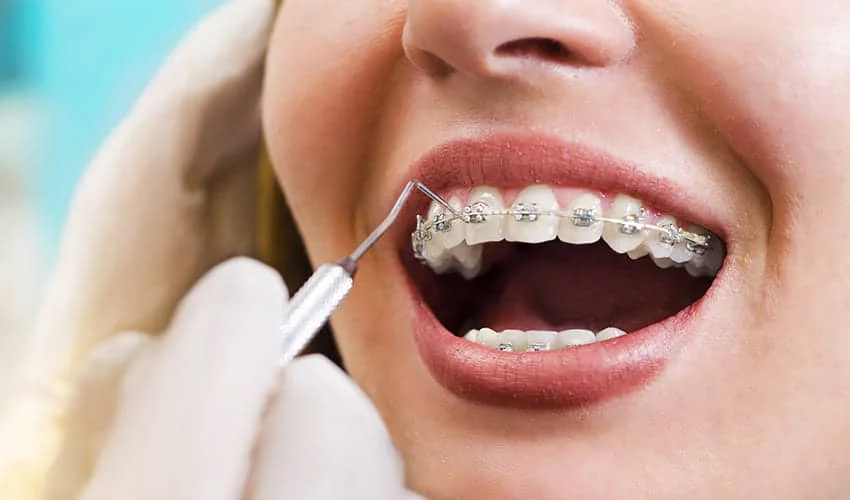
Preparing for jaw surgery can feel overwhelming, especially when you learn that braces are often the first step. Many patients are surprised to hear that orthodontic treatment is necessary before surgery, but braces before jaw surgery play a critical role in achieving safe, predictable results. At Palo Alto Orthodontics, we help patients understand the process with clarity and compassion, so each step feels manageable and purposeful.
Jaw surgery and orthodontics work closely together. Surgery corrects the underlying bone positions, while braces align the teeth so they fit properly after those bones move. When both components are coordinated, your bite becomes healthier, your function improves, and your smile feels more natural and comfortable.
Why Braces Before Jaw Surgery
Jaw surgery improves how the upper and lower jaws meet. However, even a perfectly positioned jaw cannot create a stable bite if the teeth themselves are misaligned. Teeth may have shifted over time, grown in at angles, or compensated for the jaw imbalance. Braces fix these issues before surgery so the bones and teeth match correctly once healing begins.
During braces treatment before jaw surgery, orthodontists move each tooth into its ideal location. This alignment removes compensations and reveals the true jaw discrepancy, giving the surgeon a clear and accurate foundation to work with. Properly aligned teeth also help stabilize the jaws after surgery and ensure that your bite feels comfortable once swelling subsides.
Braces treatment creates the foundation your surgeon needs. Without this crucial step, the final bite could remain uneven, uncomfortable, or unstable, even after jaw repositioning.
Understanding the Role of Braces in Surgical Planning
Braces do more than straighten teeth. They support the entire planning process. Your orthodontist and surgeon work as a team, using detailed scans, models, and digital planning tools. These tools allow them to map the movement of each tooth and determine how the jaws will align during surgery.
Accurate tooth positioning matters because even a small shift can influence jaw measurements. When braces complete the alignment process, the surgical plan becomes more precise. Digital models help the team see how your bite will fit after surgery, which improves predictability and safety.
Orthodontists also use braces to prepare the teeth for the surgical splint, a guide placed during surgery to help position the jaws. If the teeth are not aligned beforehand, the splint may not fit correctly. Braces ensure the splint sits securely and functions as intended.
What to Expect When Getting Braces Before Jaw Surgery
Before surgery, patients follow a carefully structured orthodontic plan supported by detailed appointments. What to expect with braces before jaw surgery procedure includes consistent checkups, adjustments, and scans. These appointments help your orthodontist track tooth movement and confirm that each change supports the surgical timeline.
Most patients notice their teeth shifting within the first several weeks. You may feel minor pressure during adjustments, but this is normal. Your orthodontist may also ask you to wear elastics at certain stages to help guide your bite.
As the surgery date approaches, your orthodontist checks your bite more frequently. The goal is to ensure every tooth is in the correct position so the surgeon can proceed with confidence.
How Braces Help Before Jaw Surgery
 How braces help before jaw surgery goes far beyond straightening your smile. Braces create a stable environment so your surgeon can reposition the jaw with accuracy. They correct crowding, spacing, tilting, and rotation. They also eliminate shifts that developed over time as your bite adapted to the jaw imbalance.
Braces stabilize your teeth in positions that support a healthy bite after surgery. When the upper and lower jaws move, the bite relationship changes. Without braces, the teeth would not meet evenly, creating discomfort and long-term problems.
Braces also ensure your surgeon can complete the repositioning safely. Teeth positioned correctly help guide the jaws into their new alignment, making healing smoother and more predictable.
Step-by-Step Timeline of the Pre-Surgery Braces Process
1. Initial Consultation
Your orthodontist examines your bite, reviews X-rays, and evaluates jaw symmetry. You learn how orthodontics and surgery will work together.
2. Imaging and Digital Scans
3D scans help measure tooth positions and the bone structure. These scans also assist in early planning with your surgeon.
3. Braces Placement
Braces go on once you are ready to begin. Your orthodontist explains how to care for them and what to expect during the first week.
4. Alignment Period
This stage lasts several months. The goal is to correct crowding, spacing, and angulations. Teeth must be in neutral positions before surgical planning begins.
5. Surgical Readiness Check
Your orthodontist monitors your progress and evaluates bite corrections. When alignment is complete, a final set of scans is taken.
6. Referral to Surgeon
Your orthodontist and surgeon review your updated scans and finalize the surgical plan. They use digital models to predict your bite after surgery.
7. Day-of-Surgery Expectations
Braces stay on during surgery. A splint may be attached to guide the bite. After surgery, your orthodontist continues treatment to refine the final alignment.
Braces Before Jaw Surgery for Teens and Adults
Teens and adults often require different approaches, but the goals remain similar. Teens’ jaws are still developing, which may influence the timing of surgery. Adults usually have fully developed jaws, so planning focuses more on structural correction and stability.
Teens may go through orthodontic treatment earlier if growth patterns need monitoring. Adults may require additional preparation due to long-term bite compensation. Both groups benefit from braces that correctly position the teeth before surgery.
Comfort matters at every age. Braces can cause temporary pressure, but careful guidance and small adjustments help patients adapt quickly.

Life With Braces Before Your Jaw Surgery
Daily life with braces includes a few adjustments. Soft foods can help when your teeth feel sore. Good oral hygiene is essential because braces collect food more easily than bare teeth.
Brush carefully around brackets and wires. Use floss threaders or water flossers to reach between teeth. Avoid sticky or hard foods that could damage your appliance.
Mild discomfort during adjustments is normal and usually lasts a short time. Orthodontic wax can help if brackets irritate your cheeks. Staying consistent with appointments and instructions ensures the treatment stays on track.
How Long You’ll Wear Braces Before Surgery
Timelines vary because each person’s bite is unique. Most patients wear braces for several months to a year before surgery. Factors include jaw severity, tooth angle, alignment needs, and age.
Your orthodontist monitors movement closely to keep you on schedule. While the timeline may feel long at first, each step has a purpose. Proper preparation supports a smooth surgery and long-term comfort.
Preparing for Your Jaw Surgery With Braces
Emotional readiness matters as much as physical preparation. Understanding the process reduces stress and gives you more confidence.
Before surgery, your surgeon may recommend dietary adjustments. Soft foods, hydration, and nutrition planning can support recovery. You will receive pre-op instructions such as medication guidance, fasting rules, and post-surgery expectations.
Your orthodontist ensures that your braces are in the correct configuration for surgery. This support helps you feel ready for the next stage of your treatment.
Getting Braces Prior to Jaw Surgery at Palo Alto Orthodontics
Palo Alto Orthodontics provides careful, coordinated care for patients preparing for jaw surgery. Under the guidance of Dr. Jenny Yoo, your treatment is supported by advanced imaging, detailed diagnostics, and personalized planning. Her training in modern orthodontic techniques and her warm, positive approach help every patient feel informed and supported throughout the process.
Collaboration with local surgeons ensures your treatment is seamless from start to finish. Dr. Yoo stays closely involved in each stage, reviewing scans, refining alignment, and communicating with your surgical team to help create a smooth transition toward your procedure.
Every patient receives individualized attention. Dr. Yoo explains each step clearly, answers your questions, and monitors progress to ensure the treatment remains precise and predictable. The process is centered on your comfort and long-term health, with support available throughout your entire journey.
We proudly welcome patients from across the region, including Mountain View, CA, Sunnyvale, CA, and Redwood City, CA, ensuring that families throughout the Bay Area receive expert orthodontic care during every phase of treatment.
Conclusion — Start Your Journey With Confidence
Braces Before Jaw Surgery make the process far easier because you understand how braces fit into the plan. Braces align your teeth, support surgical accuracy, and help create a stable, comfortable bite after healing. With the right team guiding you, each stage feels more manageable and reassuring.
If you’re preparing for jaw surgery, our team is here to guide you. Contact Palo Alto Orthodontics today to start your journey toward a healthier, more confident smile.