


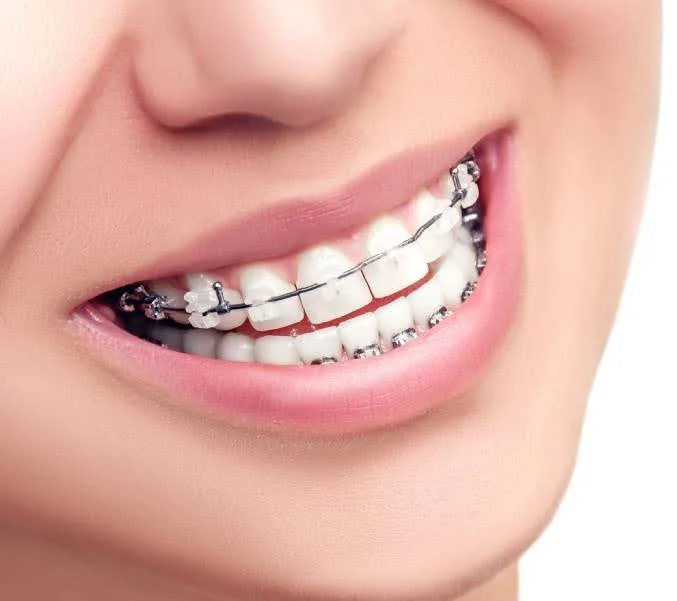
Severe alignment issues can affect far more than appearance. They can interfere with chewing, speech, oral hygiene, and long-term jaw health. The good news is that modern orthodontics offers highly effective solutions for even complex cases. Understanding the types of mouth braces available can help you feel more informed and confident as you explore treatment options for serious alignment concerns.
Severe cases often require a higher level of precision, control, and planning than mild crowding or spacing. Orthodontists today rely on advanced diagnostics and proven appliances to guide teeth and jaws into healthier positions. These modern approaches often achieve results that once required more invasive treatments.
What Qualifies as a Severe Alignment Issue?
Not all orthodontic problems are the same. Severe alignment issues often require specific mouth braces types to manage complex tooth movement, bite correction, and jaw relationships that need specialized care.
Common examples include:
- Significant crowding where teeth overlap or are blocked from erupting properly
- Large gaps or spacing that affect bite stability
- Severe overbites, underbites, or crossbites that interfere with function
- Jaw discrepancies where the upper and lower jaws are not properly aligned
- Functional concerns, such as difficulty chewing, speech issues, or uneven tooth wear
Visual aids and digital scans are often used to show how these conditions affect the mouth and why early, targeted treatment matters.
Overview of the Main Types of Mouth Braces
Orthodontists use several kinds of appliances to address complex alignment problems. While many patients think all braces work the same way, different mouth braces types offer varying levels of control, aesthetics, and suitability for severe cases.
The most commonly used options include traditional metal braces, ceramic braces, lingual braces, and clear aligner systems. Each has specific strengths and limitations depending on the severity of the orthodontic issue.
Traditional Metal Braces for Severe Cases
Traditional metal braces remain one of the most reliable tools for correcting severe alignment problems. They use brackets and wires that allow orthodontists to apply precise, consistent force over time.
Metal braces are often recommended for complex cases because they provide:
- Exceptional control over tooth movement
- Durability for longer treatment plans
- Flexibility to address multiple issues at once, including bite correction
For patients with significant crowding or jaw-related concerns, metal braces are frequently the most efficient and predictable option among the different types of braces.
Ceramic Braces and When They Are Appropriate
Ceramic braces function similarly to metal braces but use tooth-colored or clear brackets that blend more naturally with the teeth. They can be effective for moderate to some severe cases, depending on the specific needs of the patient.
However, ceramic braces may not always be ideal for the most complex corrections. They can be slightly less durable and may limit certain types of force application. Orthodontists carefully evaluate whether ceramic braces can provide the level of control required before recommending them for advanced cases.

Lingual Braces for Complex Corrections
Lingual braces are placed on the inside surfaces of the teeth, making them virtually invisible from the outside. They can correct many severe alignment issues while maintaining a discreet appearance.
That said, lingual braces require specialized expertise and may involve a longer adjustment period for speech and comfort. They are best suited for patients who prioritize aesthetics and are good candidates based on tooth shape, bite, and oral anatomy.
Invisalign and Clear Aligners for Severe Alignment
Clear aligners, including Invisalign, have advanced significantly in recent years. With detailed digital planning and attachments, aligners can now address some severe alignment concerns that were once treated only with braces.
Still, aligners are not appropriate for every complex case. Certain jaw discrepancies or extreme tooth rotations may respond better to fixed appliances. When patients ask which mouth braces work best, orthodontists consider how much control is needed and whether aligners can reliably deliver it throughout treatment.
How Orthodontists Decide Which Braces to Use
Choosing the right treatment approach involves evaluating different types of mouth braces rather than using a one-size-fits-all solution. Orthodontists typically follow a structured decision-making process:
1. Initial consultation and exam to understand concerns and goals
2. Imaging and diagnostics, such as digital scans and X-rays
3. Severity assessment of tooth position, bite, and jaw alignment
4.Treatment planning and appliance selection based on predictability, efficiency, and patient lifestyle
This method ensures that the selected appliance supports both short-term progress and long-term oral health.
Comparison Table of Mouth Braces Types
| Types of Braces | Severity Level Treated | Visibility | Comfort | Treatment Control |
|---|---|---|---|---|
| Metal Braces | Mild to severe | High visibility | Moderate | Excellent |
| Ceramic Braces | Mild to moderate–severe | Lower visibility | Moderate | Very good |
| Lingual Braces | Moderate to severe | Very low | Lower initially | Very good |
| Clear Aligners | Mild to some severe | Minimal | High | Variable |
This table highlights how different kinds of mouth braces compare when managing complex orthodontic needs.
Meet Your Orthodontist
At Palo Alto Orthodontics, care is led by Dr. Jenny Yoo, an orthodontist known for her advanced training and thoughtful, patient-centered approach. Her experience with complex cases allows her to tailor treatment plans that balance effectiveness, comfort, and long-term stability. Patients benefit from careful planning, clear communication, and a commitment to achieving healthy, confident smiles.
Areas We Serve
Patients seeking specialized orthodontic care travel to Palo Alto Orthodontics from surrounding communities, including Mountain View, Sunnyvale, and Redwood City. Many families choose the practice for its experience with complex alignment cases and comprehensive treatment planning.

Frequently Asked Questions
1. Can severe alignment issues be fixed without surgery?
In many cases, yes. Modern orthodontic techniques can often correct severe issues without surgery, though some jaw discrepancies may require collaborative care.
2.Are metal braces better for complex cases?
Metal braces often provide the highest level of control, making them a common choice for severe alignment problems.
3.How long does treatment usually take for severe alignment?
Treatment length varies but typically ranges from 18 to 36 months, depending on complexity and patient cooperation.
4.Do clear braces work for serious bite problems?
Ceramic and clear braces may work for some bite issues, but not all severe cases are suitable.
5.Is Invisalign effective for severe crowding?
Invisalign can address certain severe crowding cases with advanced planning, though not every situation qualifies.
6.What happens if severe alignment issues are left untreated?
Untreated problems can lead to uneven wear, gum issues, jaw discomfort, and increased risk of dental complications.
Schedule a Consultation With Confidence
Severe alignment issues can feel overwhelming, but different types of mouth braces offer effective solutions. An orthodontic consultation helps you understand your options and create a treatment plan tailored to your needs. Palo Alto Orthodontics offers thorough evaluations and personalized guidance to help patients move forward with clarity and confidence.